Ancient Bees Made Nests in the Bones of Dead Rodents, Study Finds
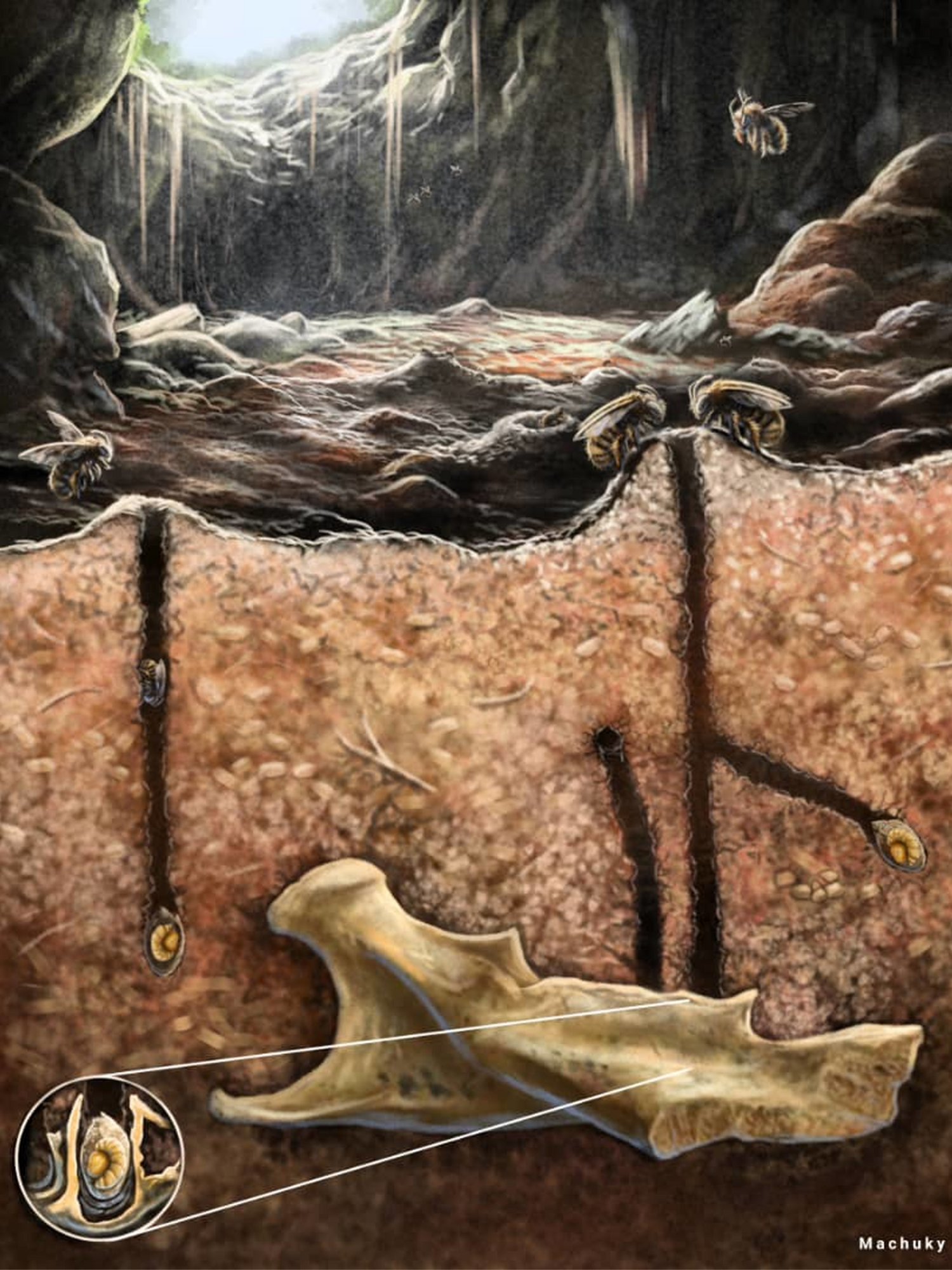
Ancient Bees' Unique Nesting Habit Revealed
A recent study has shed light on the fascinating nesting habits of ancient bees. According to the research, published in Royal Society Open Science, these bees made their nests in the bones of dead rodents over 5,000 years ago.
The Discovery
The study, which analyzed the remains of ancient burrowing bees in the Caribbean, found that these bees built their brood chambers in the hollow teeth and vertebrae of rodents buried in a cave. This unique nesting behavior allowed the bees to create a safe and stable environment for their young.
The Significance
This discovery provides valuable insights into the evolution of bee behavior and their adaptability to different environments. It also highlights the importance of studying ancient species to better understand the natural world.
The Study's Findings
The study's findings suggest that ancient bees were highly resourceful and able to thrive in a variety of environments. This adaptability is a key factor in the success of many species, including bees.
The Future of Bee Research
This study's findings will likely contribute to a greater understanding of bee behavior and their role in ecosystems. Further research into the nesting habits of ancient bees may reveal even more fascinating insights into the natural world.
Sources
[8] Ancient Bees Made Nests in the Bones of Dead Rodents, Study Finds