BBC Faces Backlash Over Broadcasting Racial Slur by Baftas Guest with Tourette's
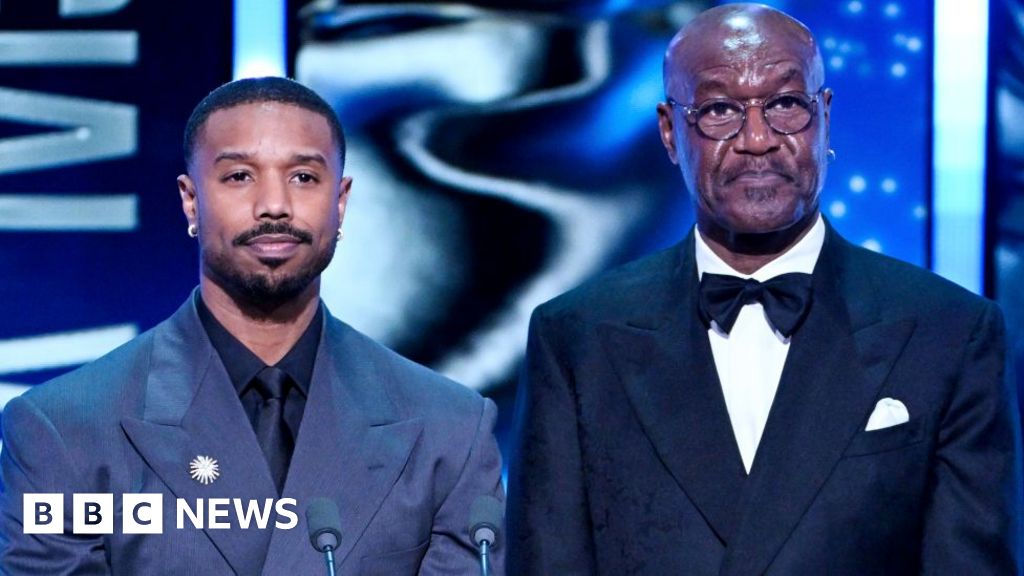
The BBC is facing criticism after broadcasting a racial slur by a Baftas guest with Tourette's. The incident occurred during a live event, and the BBC has since apologized for the mistake.
The guest, who has Tourette's syndrome, was speaking on stage when they used a racial slur. The audience was shocked and outraged, and many took to social media to express their disgust.
The BBC has since apologized for the incident, stating that it was a 'serious mistake.' The organization has also launched an investigation into the incident.
The incident has sparked a wider debate about Tourette's syndrome and the impact it can have on individuals. Many people with Tourette's syndrome have spoken out about the stigma and prejudice they face, and the BBC's apology has been seen as a step in the right direction.
The BBC's director general has stated that the organization takes the incident seriously and is committed to improving its handling of Tourette's syndrome in the future.
The incident is a reminder of the importance of sensitivity and understanding when dealing with individuals with Tourette's syndrome. It is essential to create a supportive environment that allows people to express themselves without fear of judgment or prejudice.
The BBC's apology and commitment to improving its handling of Tourette's syndrome are a positive step forward. However, more needs to be done to address the stigma and prejudice faced by individuals with the condition.
The BBC's Response
The BBC has responded to the incident by apologizing and launching an investigation. The organization has stated that it takes the incident seriously and is committed to improving its handling of Tourette's syndrome in the future.
The Impact of Tourette's Syndrome
Tourette's syndrome is a neurological disorder that affects an individual's brain and nervous system. It is characterized by repetitive movements and vocalizations, known as tics. The condition can have a significant impact on an individual's daily life, causing social and emotional difficulties.
Conclusion
The BBC's apology and commitment to improving its handling of Tourette's syndrome are a positive step forward. However, more needs to be done to address the stigma and prejudice faced by individuals with the condition. It is essential to create a supportive environment that allows people to express themselves without fear of judgment or prejudice.
Sources
[7] Broadcasting racial slur by Baftas guest with Tourette's was 'serious mistake', BBC says