Béla Tarr, Hungarian Director of Sátántangó and Werckmeister Harmonies, Dies Aged 70
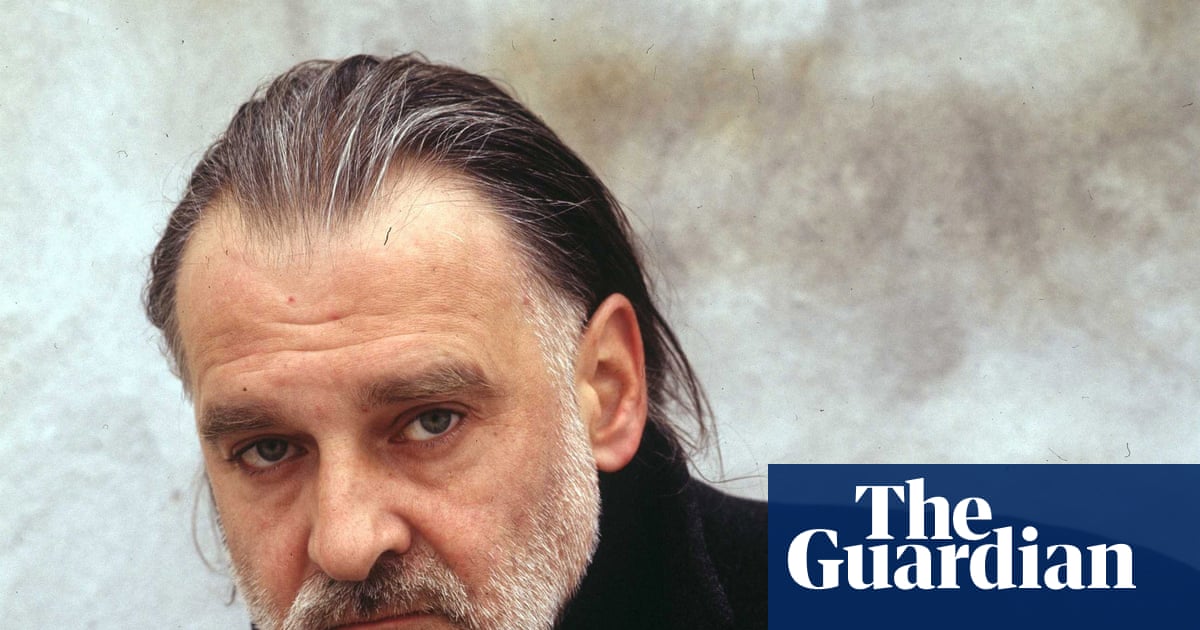
Béla Tarr, the Hungarian film-maker renowned for lengthy, challenging and beautifully shot films including Sátántangó, Werckmeister Harmonies and The Man from London, has died aged 70. The Hungarian Film Artists Association said in a statement that Tarr died on Tuesday "after a long and serious illness" and that "the grieving family asks for the understanding of the press and the public, and that they not bother them with their condolences" [7].
Tarr's films were known for their slow pace and complex storytelling, which often explored themes of existentialism and the human condition. His most famous film, Sátántangó, was released in 1994 and follows a group of people living in a decaying agricultural collective in rural Hungary.
Tarr's work has been widely acclaimed and has influenced many other filmmakers. He was also known for his collaborations with other artists, including the writer László Krasznahorkai, with whom he wrote several screenplays.
Tarr's death has been met with tributes from the film industry and beyond. "Béla Tarr was a true original, a master of his craft and a visionary filmmaker," said the director of the Hungarian Film Institute. "His films will continue to be celebrated and studied for generations to come." [7]
Sources
[7] Béla Tarr, Hungarian director of Sátántangó and Werckmeister Harmonies, dies aged 70