European Stocks Fall 3% as Middle East Conflict Widens
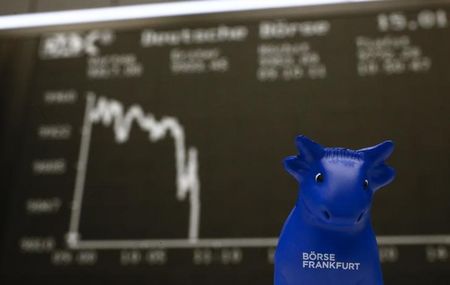
European stocks fell 3% on Tuesday, March 3, 2026, as the Middle East conflict continues to escalate. The conflict has sparked concerns about inflation and economic stability, leading to a decline in stock prices.
The European stock market has been volatile in recent days, with many investors opting to sell their shares due to the uncertainty surrounding the conflict. The decline in stock prices has also been fueled by the rise in energy prices, which has rekindled inflation fears.
The conflict between the US, Israel, and Iran has led to a significant increase in oil prices, which has had a ripple effect on the global economy. The rise in energy prices has also led to a decline in consumer spending, further exacerbating the economic downturn.
The European Central Bank (ECB) has been monitoring the situation closely and has vowed to take necessary measures to stabilize the economy. However, the ECB's efforts may be hindered by the ongoing conflict, which continues to pose a significant threat to global economic stability.
The decline in European stocks has also had a negative impact on other global markets, with many investors opting to sell their shares in anticipation of further declines. The conflict has also led to a decline in consumer confidence, which is expected to have a long-term impact on the economy.
The Middle East conflict has been ongoing for several weeks, and its impact on the global economy is expected to be significant. The conflict has led to a decline in trade, a rise in energy prices, and a decline in consumer spending. The economic downturn is expected to continue in the coming weeks, with many investors opting to sell their shares in anticipation of further declines.
The European stock market is expected to continue its decline in the coming weeks, with many investors opting to sell their shares in anticipation of further declines. The conflict has led to a significant increase in volatility, making it difficult for investors to make informed decisions.
The ECB has vowed to take necessary measures to stabilize the economy, but the ongoing conflict continues to pose a significant threat to global economic stability. The conflict has also led to a decline in consumer confidence, which is expected to have a long-term impact on the economy.
The Middle East conflict has been ongoing for several weeks, and its impact on the global economy is expected to be significant. The conflict has led to a decline in trade, a rise in energy prices, and a decline in consumer spending. The economic downturn is expected to continue in the coming weeks, with many investors opting to sell their shares in anticipation of further declines.
The European stock market is expected to continue its decline in the coming weeks, with many investors opting to sell their shares in anticipation of further declines. The conflict has led to a significant increase in volatility, making it difficult for investors to make informed decisions.
The ECB has vowed to take necessary measures to stabilize the economy, but the ongoing conflict continues to pose a significant threat to global economic stability. The conflict has also led to a decline in consumer confidence, which is expected to have a long-term impact on the economy.