Germany's Nuclear Regret: JPMorgan Analysis Reveals Extent of Cost
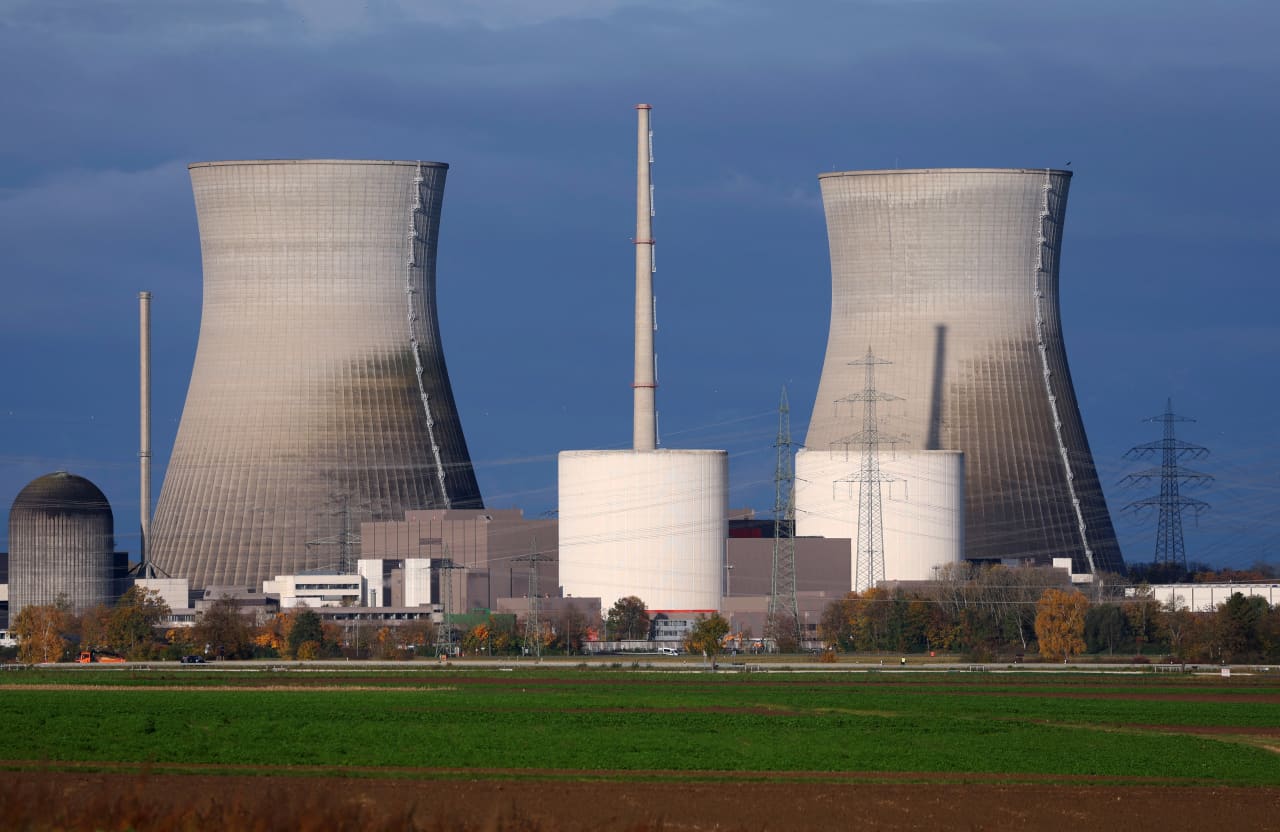
Germany's decision to shut down nuclear production in the wake of the Fukushima accident in 2011 has come at a significant cost, according to an analysis by JPMorgan. The energy analysis puts numbers on the extent of the error admitted by German Chancellor Friedrich Merz.
The analysis reveals that Germany's nuclear phase-out has resulted in a significant increase in greenhouse gas emissions, with the country's carbon footprint rising by 12% since 2011. This is despite the government's efforts to reduce emissions and transition to renewable energy sources.
The analysis also highlights the economic costs of the nuclear phase-out, with the country's energy bills rising by 30% since 2011. This is due in part to the increased reliance on imported fossil fuels, which has resulted in a significant increase in energy costs.
The JPMorgan analysis is a stark reminder of the consequences of Germany's decision to abandon nuclear power. The country's energy policy has been widely criticized for its lack of coherence and its failure to provide a clear vision for the country's energy future.
The analysis is a timely reminder of the need for a more nuanced and informed approach to energy policy. As the world grapples with the challenges of climate change and energy security, it is essential that policymakers have access to accurate and reliable information to inform their decisions.
The JPMorgan analysis is a valuable contribution to the debate on energy policy and highlights the need for a more sustainable and cost-effective approach to energy production.