Polygraphs Have Major Flaws: Are There Better Options?
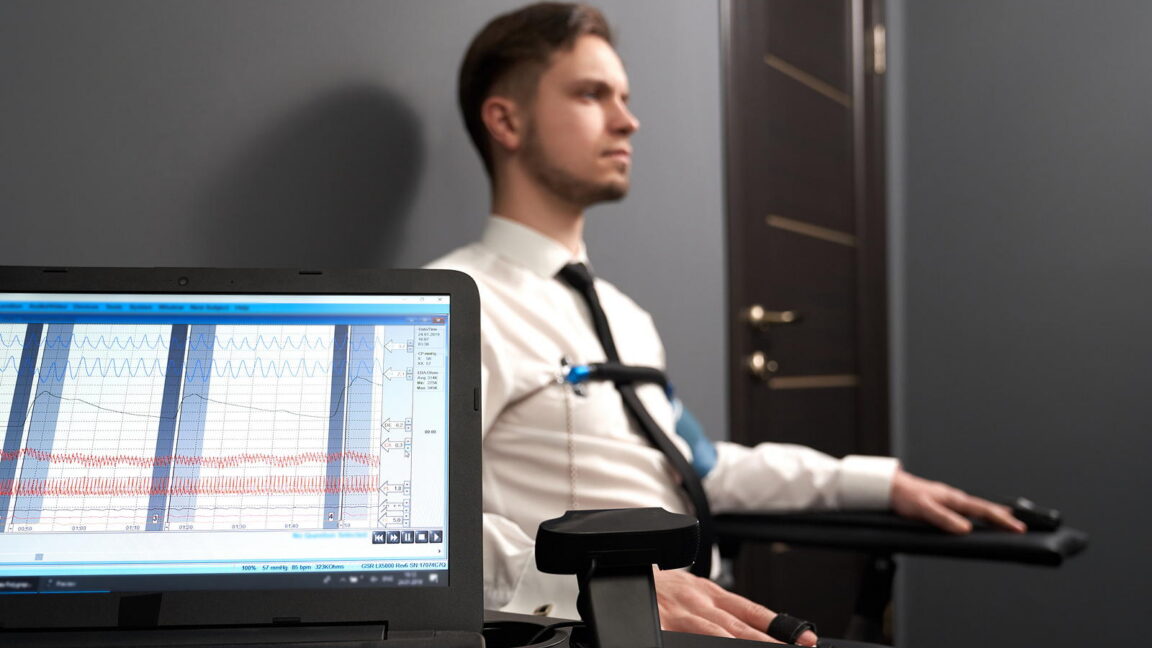
Polygraphs, also known as lie detectors, have been widely used in various settings, including law enforcement and employment screening. However, research has shown that these devices have significant flaws and limitations. In fact, a recent study published on Ars Technica [1] highlights the major flaws in polygraph technology.
The study, conducted by researchers at a leading university, found that polygraphs are not as accurate as previously thought. In fact, the devices can be easily manipulated, and the results can be influenced by various factors, including the examiner's bias and the test-taker's anxiety level.
The researchers also found that polygraphs are not capable of detecting deception with high accuracy. In fact, the devices can be fooled by honest individuals who are simply nervous or anxious during the test. This raises serious concerns about the use of polygraphs in high-stakes settings, such as employment screening and law enforcement.
So, are there better options available? The answer is yes. Researchers are exploring alternative methods for detecting deception, including behavioral analysis and physiological measures. These methods have shown promise in detecting deception with higher accuracy than polygraphs.
In conclusion, polygraphs have major flaws and limitations. While they may be useful in certain settings, they should not be relied upon as the sole means of detecting deception. Instead, researchers and practitioners should explore alternative methods that are more accurate and reliable.
Sources
[1] Polygraphs have major flaws. Are there better options? https://arstechnica.com/science/2026/03/polygraphs-have-major-flaws-are-there-better-options/