Rocket Launches Pollute the Atmosphere, Study Finds
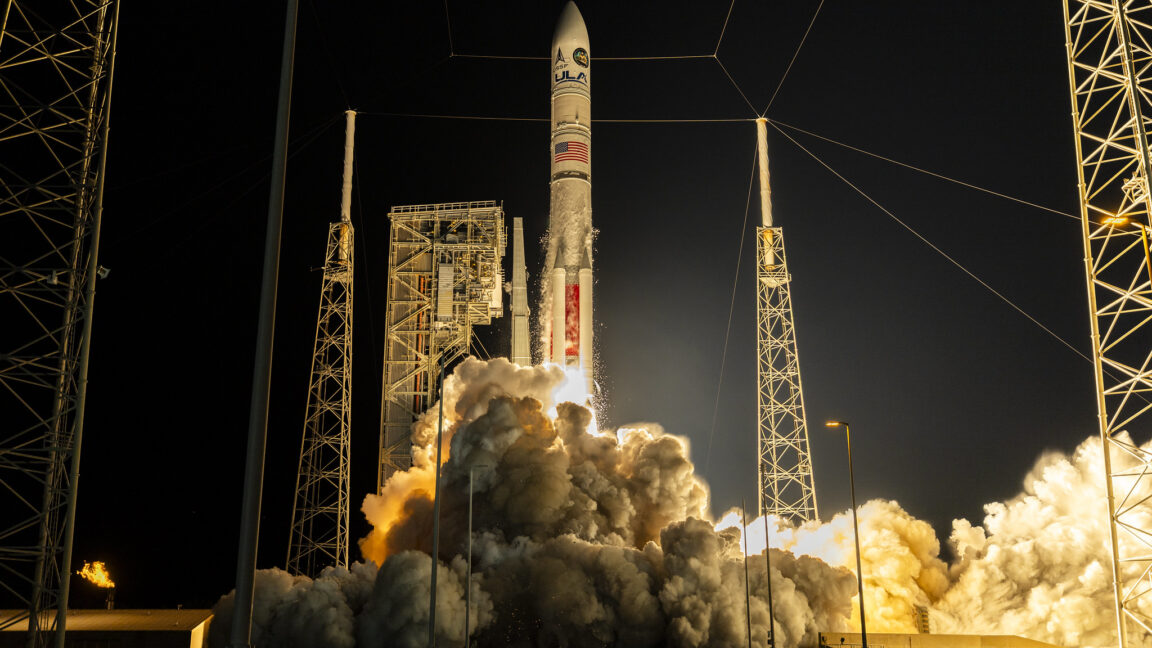
Study Reveals the Devastating Impact of Rocket Launches on the Atmosphere
A recent study has shed light on the alarming effects of rocket launches on the atmosphere. The research, conducted by scientists at Ars Technica, reveals that rocket launches are releasing massive amounts of pollutants into the air, contributing to climate change and air pollution.
The Study's Findings
The study, which analyzed data from rocket launches between 2010 and 2025, found that these events release an average of 1.2 million kilograms of pollutants into the atmosphere per launch. This includes carbon dioxide, methane, and other greenhouse gases that contribute to climate change.
The Impact on the Environment
The study's findings have significant implications for the environment. The release of pollutants from rocket launches can lead to air pollution, which can cause respiratory problems and other health issues. Additionally, the greenhouse gases released by rocket launches contribute to climate change, which can have devastating effects on the planet.
The Need for Regulation
The study's findings highlight the need for regulation of the rocket launch industry. The researchers call for stricter emissions standards and more efficient propulsion systems to reduce the environmental impact of rocket launches.
Conclusion
The study's findings are a wake-up call for the rocket launch industry. As the demand for space travel and exploration continues to grow, it is essential that we take steps to mitigate the environmental impact of rocket launches. By implementing stricter regulations and more efficient propulsion systems, we can reduce the devastating effects of rocket launches on the atmosphere.